Collections described, preserved and published with rigor
Memora supports archival science, museology and communities in organizing, describing, preserving and publishing documentary, audiovisual and photographic collections to international description standards.
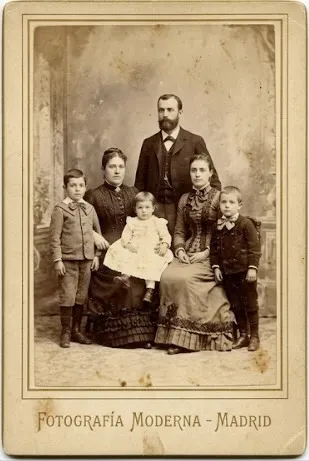 Provenance
When the collection stops being scattered
Management stops depending on parallel repositories, spreadsheets or unclear editorial workflows. Memora makes it possible to describe using standards (archival science and museology), organize internal operations and, at the same time, make public publishing easier without duplicating effort or losing provenance or context.
The problems it solves
- 01
Collections scattered across archives, museums and repositories, with inconsistent description.
- 02
Manual publishing to the portal or external catalogs.
- 03
Permissions and curation states that are hard to sustain.
- 04
Lack of control over digitization, restoration and provenance.
Describe, operate and publish with rigor
Centralize with standards
Centralize collections and describe them using international archival science and museology standards.
Organized internal work
Views, filters and curation states to sustain the team’s day-to-day operation.
Distribution without duplication
Publish per channel via API, without duplicating uploads or losing provenance or context.
Full traceability
Sustain editorial, technical and provenance traceability for every object in the collection.
What your institution walks away with
Collection lookup with citations and permissions
On top of described collections, governed AI enables semantic lookup with evidence and assisted description, always with permissions by collection and provenance.
Let’s do a diagnostic of your collections
We review the state of description, permissions and publishing, and put together a phased roadmap, starting with what’s most critical for your institution.
Book a collections diagnostic